
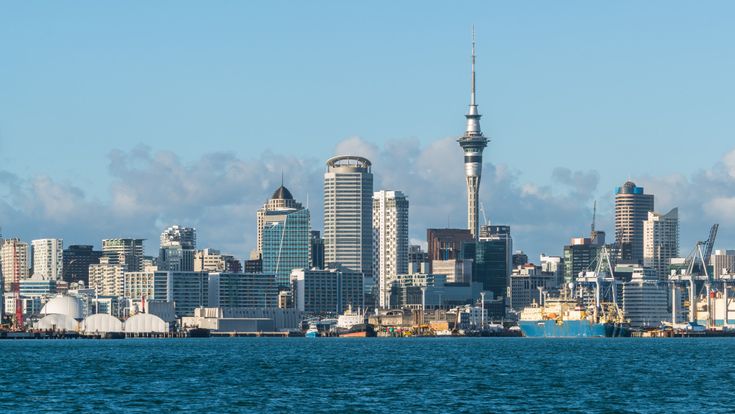
Auckland is New Zealand’s largest and most multicultural city, home to around 1.7 million people — roughly a third of the country’s entire population. It’s also the country’s main economic engine, with more job opportunities than anywhere else in New Zealand, but that comes paired with the highest cost of living in the country too. If you’re weighing up a move here, this guide covers what actually matters before you commit.
Why People Move to Auckland
Auckland pulls people in for a mix of career opportunity and lifestyle that’s hard to match elsewhere in New Zealand:
- The country’s largest and most diverse job market, spanning tech, finance, media, and start-ups
- A genuinely multicultural population — over 40% of residents were born overseas
- A mild, temperate climate with no real extremes — rarely very hot, cold, or dry
- A city built around water, with the Waitematā and Manukau harbours both close to the CBD
- Above-average household incomes compared to the rest of New Zealand
What It Costs to Live in Auckland
Auckland is consistently New Zealand’s most expensive city to live in, and housing is the main reason why. As a general reference point, the average Auckland house price has sat above $1 million, with the wider region averaging around $1.2-1.3 million — well above the national figure. Rent follows the same pattern: the average weekly rent across Auckland has been running around $680-690, with two-bedroom flats typically starting from around $680 a week and rising quickly for anything larger or closer to the city centre.
For a single person renting alone (not flatting) in Auckland, a realistic monthly budget — covering rent, food, transport, utilities, and basic extras — typically falls somewhere between $3,200 and $3,800. A couple should budget roughly $4,800-5,800 a month. Flatting (sharing a house, extremely common among people under 35 in Auckland) can cut housing costs by 40-60%, which is worth seriously considering if you’re moving without a partner or family.
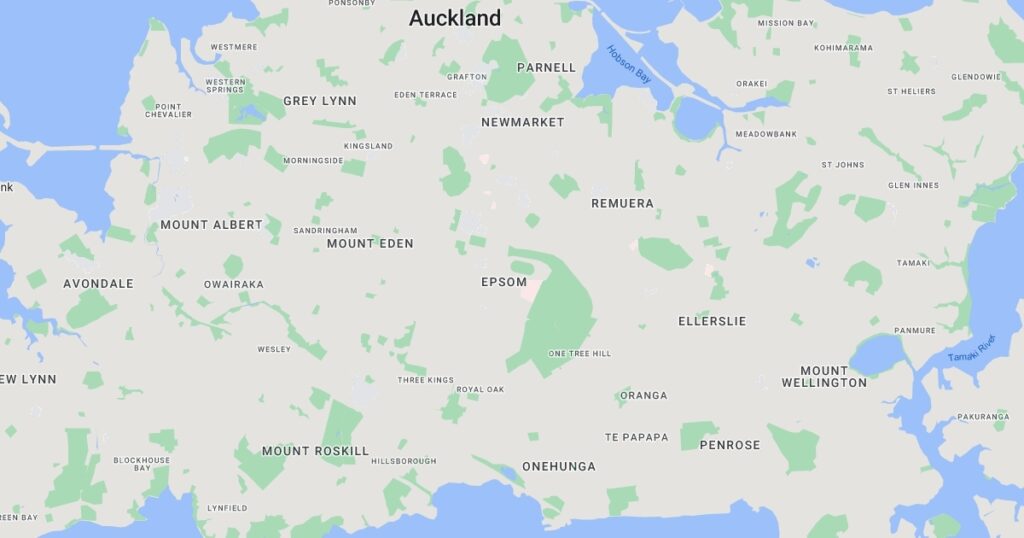
Some areas are considered better value than others by local property analysts — the Hibiscus Coast to the north, Howick in the east, and Franklin to the south are often flagged as comparatively undervalued, while central Auckland, the Waitakere Ranges, and Henderson tend to sit on the pricier end relative to what they offer.
Auckland’s Climate
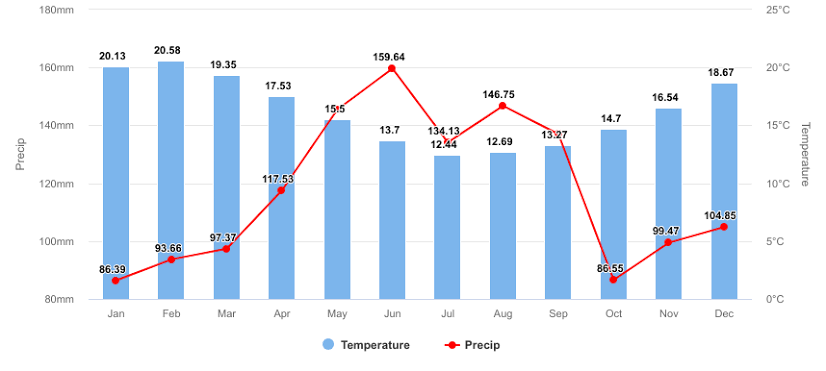
Auckland has a mild, temperate climate that some locals describe as borderline subtropical, without the extremes that hit swings between very hot or very cold. Summers (December-February) are mild to warm, typically 17-23°C, occasionally reaching the high 20s on the hottest days. Winters (June-August) are mild too — overnight temperatures rarely drop below freezing, though the city sees regular rain, more so in winter than summer. Genuine snow is essentially unheard of; the last notable snowfall was back in the 1930s. Daylight hours shift noticeably between seasons, from around 7:30am-5:15pm in winter to 6am-8:30pm in summer.
Getting Around Auckland
Public transport runs on the AT HOP card, covering buses, trains, and ferries. Auckland has been investing heavily in the network — the rail lines are now fully electrified, and a major new project (the City Rail Link) is set to open two new underground city stations, turning the current dead-end rail line into a proper cross-city loop. The bus fleet is also transitioning to electric, with several hundred zero-emission buses already running across the region.
That said, train coverage doesn’t reach every suburb, and outside the inner city and main rail corridors, owning a car is still the practical default for most residents. Auckland Airport sits about 22km south of the city centre in Māngere, and is the country’s main international gateway.
Finding Work in Auckland
Auckland’s job market is the largest and most varied in New Zealand, spanning everything from start-ups to the country’s biggest corporates, plus strong media, film, and television industries not concentrated anywhere else in NZ. Average household income in Auckland runs noticeably higher than the national average, which helps offset — though doesn’t fully cancel out — the city’s higher cost of living. If you’re relocating for a specific role, it’s worth confirming your industry actually has a strong Auckland presence, since some sectors (particularly government and public service roles) are more concentrated in Wellington instead.
Choosing a Suburb
Auckland’s suburbs vary widely in character and price:
- Central/waterfront (Viaduct, CBD) — walkable, dense, close to transport, higher cost
- Ponsonby and Grey Lynn — Victorian villas, cafes, and restaurants, popular but pricier
- Hibiscus Coast (north) — considered comparatively good value, beach-adjacent
- Howick (east) — family-friendly, also flagged as good relative value
- Franklin (south) — more affordable, longer commute into the city
- Henderson and the Waitakere Ranges (west) — leafy, but currently viewed by some property analysts as fully priced rather than a bargain
Practical Tips Before You Move
- Budget for setup costs early — bond, letting fees, and household setup often land in the same few weeks and add up fast
- Consider flatting if you’re moving solo — it’s extremely common in Auckland and meaningfully cuts housing costs
- Remember rent in NZ is quoted weekly, not monthly — multiply by roughly 4.33 to estimate a monthly figure
- Auckland homes are often colder than newcomers expect — many rely on portable heating rather than central heating, worth factoring into winter comfort
- Check current public transport routes before committing to a suburb, since coverage varies a lot block by block
Final Thoughts
Auckland offers New Zealand’s strongest job market and its most cosmopolitan lifestyle, but it comes at the country’s highest cost of living — housing in particular. The suburb you choose, and whether you rent solo or flat with others, will shape your budget more than almost any other decision. Weigh commute, lifestyle, and cost together rather than chasing the lowest rent alone, since a longer commute can end up costing you more in time and transport than it saves in rent.